Fun Exchange: What an Online Exchange Platform Is & How It Works
A simple, beginner-friendly guide to online exchange platforms — what they are, the different types, how they work, and what to check before you use one.
The term fun exchange is often used loosely online to describe a modern, easy-to-use digital exchange platform. But what does an "exchange" actually mean in finance, and how do these platforms really work? This guide explains the concept in plain language — covering the main types of exchange platforms, how they operate, the safety factors that matter, and the questions every beginner should ask before signing up anywhere. For more practical money and finance explainers, visit the Wheon Finance homepage.
What Is an Online Exchange Platform?
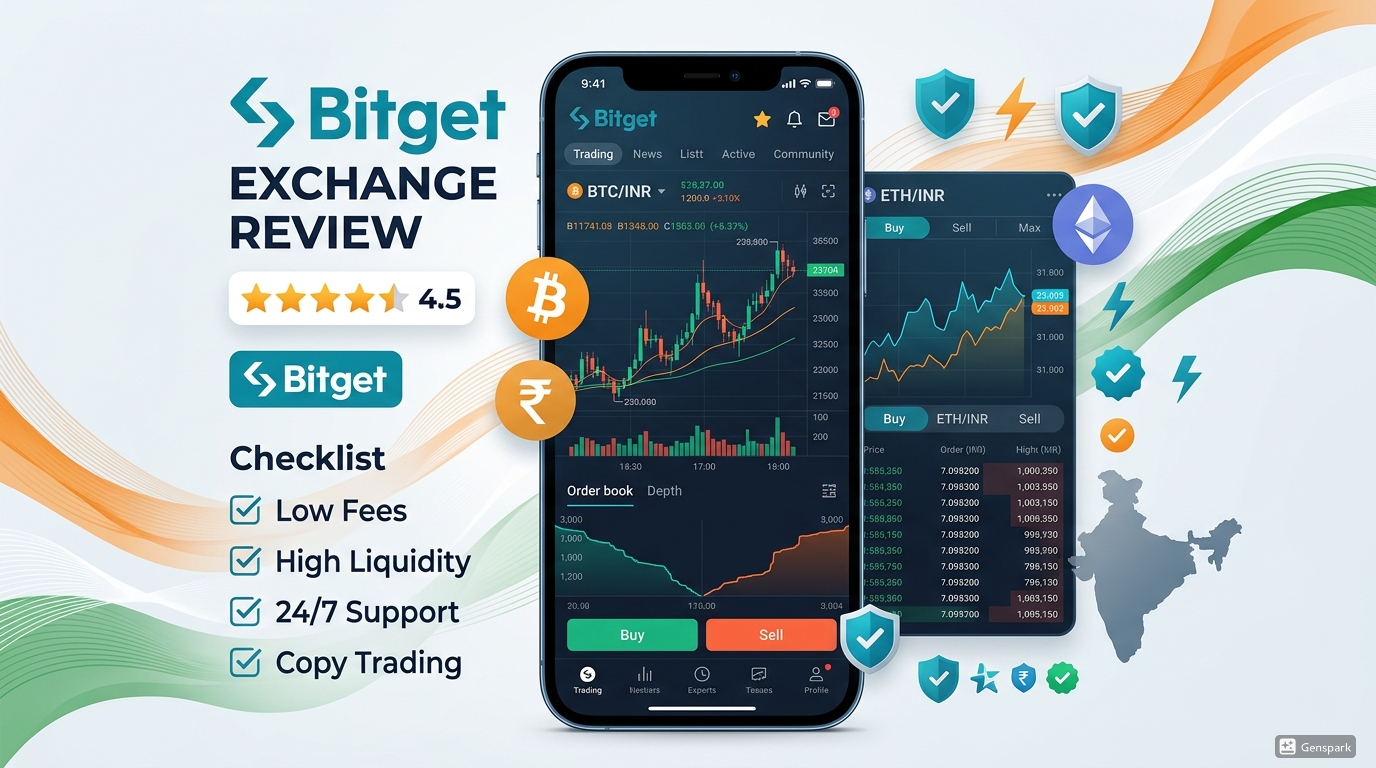
An online exchange platform is a website or app that lets people trade or convert assets digitally. Instead of visiting a physical money-changer or broker, users can complete transactions from their phone or computer. The platform acts as the middle layer — it matches someone who wants to sell with someone who wants to buy, and records the transaction securely.
The phrase "fun exchange" is sometimes used as a casual, friendly label to suggest a platform that is simple and enjoyable to use. In reality, the underlying idea is the same as any exchange: a marketplace built around speed, a clean interface, and secure handling of transactions.
Main Types of Exchange Platforms
"Exchange" can mean several different things in finance. Here are the most common types you will come across.
| Type | What It Does | Example Use |
|---|---|---|
| Currency / Forex Exchange | Converts one national currency to another | Travel money, remittances |
| Stock Exchange | Lists and trades company shares | Investing in equities |
| Cryptocurrency Exchange | Buys, sells, and swaps digital coins | Trading Bitcoin, Ethereum |
| Commodity Exchange | Trades goods like gold, oil, or grains | Hedging, investing |
| P2P Exchange | Connects users directly with each other | Direct asset swaps |
How Does an Exchange Platform Work?
Although different exchanges trade different assets, most follow a similar basic flow:
- Registration & verification: You create an account and complete identity checks (KYC), which legitimate platforms require by law.
- Adding funds: You deposit money or assets into your account through a supported method.
- Placing an order: You choose what to buy, sell, or convert, and at what price.
- Order matching: The platform matches your order with a counterparty automatically.
- Settlement: The transaction completes, and your balance updates.
- Withdrawal: You move funds or assets back out to your bank or wallet.
Key Features of a Good Exchange Platform
- Security: Strong encryption, two-factor authentication, and protection of user funds.
- Ease of use: A clean, simple interface that beginners can navigate without confusion.
- Speed: Fast page loads and quick order processing with minimal lag.
- Transparency: Clear fees, clear terms, and no hidden charges.
- Customer support: Responsive help when something goes wrong.
- Mobile access: A reliable app or mobile-friendly site.
What to Check Before Using Any Exchange
This is the most important section. Before you trust any platform with your money, run through this checklist:
| Check | Why It Matters |
|---|---|
| Regulation & licensing | A regulated platform follows legal and financial rules that protect users. |
| Company details | Legitimate exchanges clearly list who runs them and where. |
| Reviews & reputation | Independent reviews reveal real user experiences and complaints. |
| Fee structure | Hidden fees can quietly eat into your money. |
| Withdrawal process | Difficulty withdrawing funds is a major warning sign. |
| Security measures | 2FA, encryption, and fund protection reduce risk. |
Benefits and Risks of Online Exchanges
Benefits
- Convenient access from anywhere, anytime.
- Faster transactions than traditional methods.
- Often lower fees than physical intermediaries.
- Real-time pricing and information.
Risks
- Unregulated platforms can be unsafe or fraudulent.
- Market prices can be volatile, especially for crypto.
- Cybersecurity threats if a platform is poorly protected.
- Potential for loss — exchanging or trading assets carries financial risk.
Frequently Asked Questions
What does "fun exchange" mean?
It is a casual term sometimes used to describe an online exchange platform marketed as simple and easy to use. In finance, an "exchange" is just a marketplace where assets are bought, sold, or converted.
Is an online exchange platform safe?
It depends entirely on the specific platform. A regulated, licensed exchange with strong security can be safe, while an unregulated one can be risky. Always verify regulation and reputation first.
What is the difference between an exchange and a broker?
An exchange is a marketplace that matches buyers and sellers directly. A broker is an intermediary that places trades on your behalf, often charging a commission.
Do I need ID to use an exchange?
Most legitimate platforms require identity verification (KYC) to comply with anti-money-laundering laws. A platform that skips this entirely may not be operating legally.
How do I know if a platform is legal in my country?
Check whether it is registered with your country's financial regulator, read its terms, and look for a clear company address and licensing details. When in doubt, consult a qualified financial advisor.
Disclaimer: This article is for general educational and informational purposes only and is not financial advice. It does not endorse or recommend any specific exchange platform. Trading and exchanging financial assets carry risk, including possible loss of money. The legal status of exchange platforms varies by country. Always do your own research, verify a platform's regulation, and consult a qualified financial advisor before making any financial decisions.